


CorrLinks
3.62.96K Reviews
App Specs
- Version
- 5.0.20
- Updated On
- License
- Free
- Downloads
- 1,000,000+
- Developer
- Advanced Technologies Group, LLC
- Categories
- Communication
- Platform
- Android
Screenshots

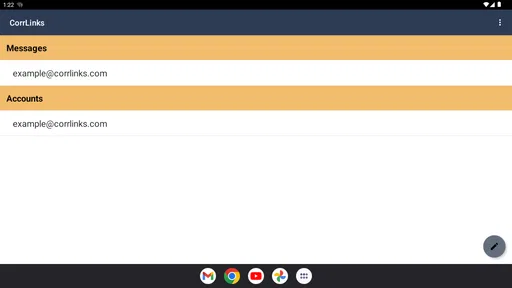
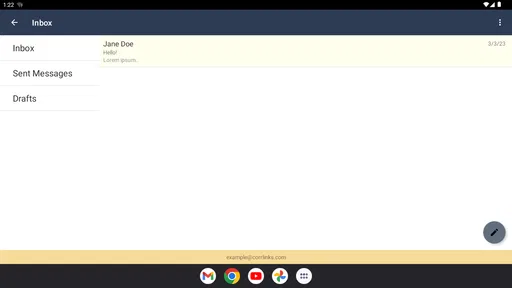
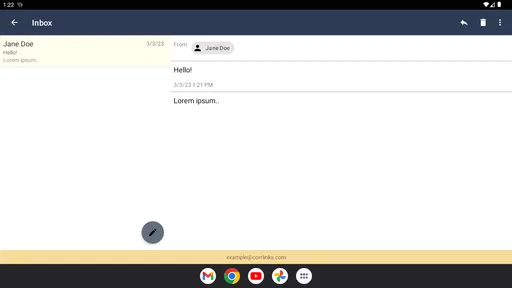
 Analysis by AppCompare
I approach CorrLinks as a communication tool for a specific and sensitive situation, not as a replacement for ordinary texting. Its purpose is to help people stay in contact with someone who is incarcerated, and that changes what “convenient” means: messages may take time, the conversation is not the same as a private chat between friends, and both people need to be prepared for a more structured process. For families and friends who want a practical way to keep a written connection going, that trade-off can be worthwhile. For anyone expecting instant replies or an informal, unrestricted messenger, it is likely to feel frustrating.
A focused service, with different expectations
CorrLinks is a free communication app from Advanced Technologies Group, LLC. It has been available since November 2012, and its current version is 5.0.20 for devices running Android 9 or later. The app has an average rating of 3.7 from around 9,100 ratings, alongside roughly 2,900 written reviews, and has passed one million installs. Those figures suggest a service many people rely on, while also hinting that experiences are not uniformly smooth. I would treat it as a purpose-built channel rather than judge it by the speed and polish I expect from a mainstream chat app.
The most useful question before installing it is whether the person you hope to contact can use this system and is willing to approve the connection. The relationship does not begin simply because you download an app: you need the right identification details, and the incarcerated person must approve your request. That approval step is important to understand before spending time composing a first message. It also makes the service feel less like adding a casual contact and more like setting up a deliberate correspondence.
What the connection process asks of you
After you have an account, you can request a connection using the incarcerated person’s identification number. I would double-check those details before submitting the request, because a mismatch can turn a simple setup task into avoidable back-and-forth. Approval is part of the process, so a pending request is not necessarily a sign that the app has failed; it may simply mean the other person has not yet accepted it. Setting expectations around that first step can prevent a lot of unnecessary worry.
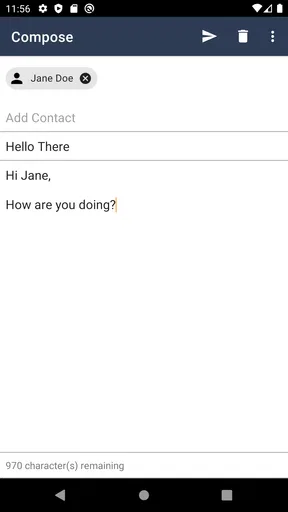
Once connected, messaging is the central activity. The interface is plain and the writing tools are basic, which is a sensible fit for straightforward correspondence but leaves little room for expressive formatting. The review’s original experience describes messages being monitored by prison staff and delays as part of that environment. I would therefore write with the assumption that a message might not be read or answered right away. If something is urgent, this is not the channel I would rely on for an immediate response.
How it fits into an ordinary week
A realistic routine might look like this: you check for a notification during a lunch break, read a message when you have a quiet moment, and reply later that evening rather than trying to hold a live conversation. That rhythm suits people who want to share considered updates—family news, encouragement, or a response to something the other person raised—without expecting a back-and-forth in real time. It also gives you room to reread your wording before sending, which can matter when a message carries emotional weight.
The email alerts and support for multiple contacts can make a recurring routine easier to manage. If you correspond with more than one person, keeping the conversations distinct is more useful than treating the app like one busy group chat. I would still pause before sending and check the recipient carefully, especially when a message refers to sensitive family matters. The practical benefit of having several contacts in one place comes with the responsibility of being deliberate about where each message goes.
Worth Reading Before You Choose

EA SPORTS FC Mobile 26 Is a Bigger Football Game, but It Takes Time

Flipboard Shows What News Apps Must Do Beyond the Feed

Switching to Android Auto Means Rethinking Your Driving Routine

Google Calendar Makes a Crowded Week Easier to Manage

Ludo King Makes the Most of the Minutes Between Plans

Baby Panda World Brings Quick Play to Modern Phones, but Its Game Library Feels Busy
Useful habits for careful correspondence
Draft saving is a small feature with a meaningful use case: it lets you stop mid-message when work, childcare, or another interruption takes over, then return when you can give the reply proper attention. I would use that pause to check names, dates, and details, and to remove anything I did not intend to include. A draft is also a better place to gather your thoughts than sending several short fragments, particularly when the conversation is already subject to delays.
Because this is communication connected to incarceration, privacy expectations deserve more care than they would in an ordinary personal messenger. Monitoring is part of the experience described here, so I would avoid treating the conversation as a confidential place for information that needs to stay private. That is not a claim about any particular data-handling policy; it is a practical boundary based on the monitored-message context. Before sharing sensitive details, consider whether the subject can wait for another appropriate channel or be discussed in a less revealing way.
Where the trade-offs show up
Compared with familiar messaging apps, CorrLinks is less about instant, casual conversation and more about maintaining an approved line of contact. A conventional messenger is a better fit when both people need quick replies, broad media-sharing options, or a private-feeling everyday chat. CorrLinks is more relevant when the person you want to reach depends on this specific system. The alternatives are not interchangeable: switching to another app only helps if the incarcerated person can actually use it and both sides can communicate there.
Cost is another point to check before making this part of your routine. CorrLinks is free to install, but in-app purchases are listed at $8.99 per item, so “free” should not be read as a promise that every pattern of use will have no cost. The original experience notes that credits may be relevant depending on how often you communicate, but I would check the current in-app options and understand what a purchase covers before paying. If you are budgeting for regular contact, decide what you are comfortable spending first rather than letting a small purchase become an unplanned habit.
The app is rated Everyone, but that age label does not change the care I would take with the content of messages. The important choice is not simply whether someone can open the app; it is whether the conversation suits the person’s circumstances and the limits of monitored correspondence. I would explain those limits to a younger family member before asking them to write, so they know replies may be delayed and the exchange is not equivalent to a private text thread.
Who is likely to find it worthwhile
I would recommend giving CorrLinks a look if you already know the person you want to contact uses the service, you can obtain the necessary identification details, and you are comfortable with a measured pace. It may be especially helpful for relatives who want a regular written routine across a busy household: one person can draft when time allows, another can keep track of incoming messages, and neither has to be available at the same moment. The app’s plain approach keeps the focus on the exchange itself rather than on decorating a conversation.
I would skip it if you mainly want an all-purpose messenger, need immediate answers, or are uncomfortable with staff monitoring messages. It is also a poor choice if you have not established that the intended recipient can connect through it; installing first and assuming access will follow can create disappointment. In those cases, confirm the communication options available to the person before choosing a channel. The most important practical question is not which app has the most features, but which one both people can actually use.
My experience using CorrLinks
Have you ever had a hard time staying connected with someone who's incarcerated? Well, I recently came across an app called CorrLinks that might just be the solution you’ve been looking for. It’s like having a digital bridge to those who are far away, offering a way to keep in touch with friends and family who are in federal prison. Here’s a rundown of my experience with it.
Getting Started with CorrLinks
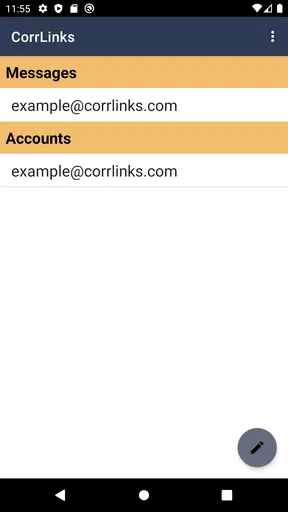
First things first, getting set up with CorrLinks is a breeze. You’ll need to create an account, which is pretty straightforward. Once you're in, you'll notice it's a no-frills interface, but hey, it gets the job done. The app is available on both Android and iOS, and you can also access it via your web browser. I tried it on all platforms just to see how it holds up, and I’m happy to report it’s consistent across the board.
Connecting with Your Loved Ones
The core functionality of CorrLinks is messaging. Once you’re logged in, you can connect with inmates by entering their identification number. It’s worth mentioning that the inmates have to approve your request, which adds a layer of privacy and security. After approval, it’s smooth sailing—well, sort of. The app allows you to send messages, but there’s usually a delay since messages are monitored by prison staff.
I found the interface for composing messages to be simple and effective. You won’t find any fancy formatting options here—just plain text. But really, when it comes to staying in touch, it’s the words that matter most, right?
Features Worth Noting
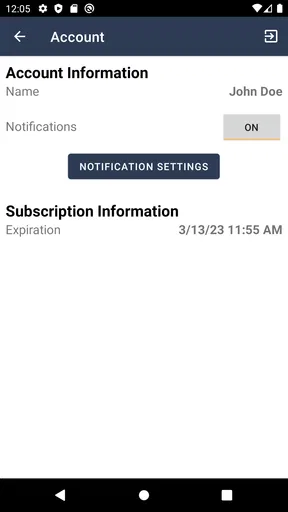
One feature I found particularly helpful is the email alert system. The app sends you notifications when you receive a new message, so you’re always kept in the loop. You can also manage multiple contacts, which is great if you’re corresponding with more than one person.
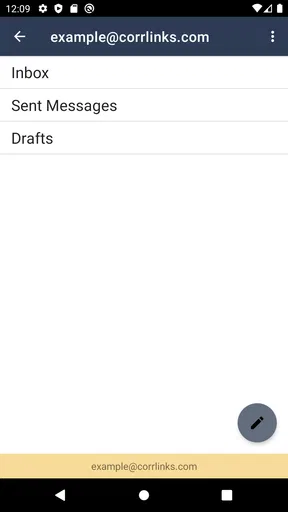
Another neat feature is the ability to save drafts. If you’re like me and sometimes get interrupted mid-thought, this is a lifesaver. You can jot down your message, save it, and come back later to finish it off. It’s the little things, you know?
The Cost Factor
Now, let’s talk about costs. CorrLinks isn’t completely free—there's a small fee to send messages. Inmates typically pay for this service from their end, but as a user, you might need to purchase credits depending on the frequency of your communication. While it’s not a bank-breaker, it’s something to keep in mind if you’re planning to use it regularly.
Security and Privacy
Security-wise, CorrLinks takes its job seriously. Messages are monitored, which may sound a bit Big Brother-ish, but it’s a necessary measure given the context. The app does a good job of balancing accessibility with the need for security, ensuring that communication remains safe and private.
Final Thoughts
All in all, CorrLinks is an invaluable tool for anyone looking to maintain a connection with incarcerated loved ones. It’s not perfect, but it provides a reliable and secure way to communicate. The simple interface and essential features make it easy to use, even if you’re not particularly tech-savvy.
So, if you find yourself in a situation where you need to stay in touch with someone in federal custody, give CorrLinks a try. It might just be the lifeline you both need. Staying connected is important, and this app makes it a bit easier to bridge that gap.
My cautious recommendation is to start with a clear understanding of the approval process, the likely pace of replies, and any costs shown inside the app. Keep messages thoughtful, use drafts when you need time to get the wording right, and treat monitored correspondence as a different kind of conversation from private texting. With those expectations in place, CorrLinks can be a practical way to maintain contact; without them, its limits may outweigh the convenience.
Pros
- Secure messaging for inmates and families.
- User-friendly interface for easy navigation.
- Affordable subscription plans available.
- Reliable delivery of messages.
- Available on both Android and iOS.
Cons
- Limited multimedia capabilities in messages.
- Requires internet access to use.
- App interface can feel outdated.
- No real-time chat functionality.
- Subscription required for full features.
FAQs for CorrLinks
What is CorrLinks and how does it work?
CorrLinks is a communication service that allows users to send and receive emails with inmates in federal prisons. Users set up an account, and once approved, they can communicate with their incarcerated contacts. It operates through a secure and monitored system, ensuring compliance with prison regulations.
Is CorrLinks free to use?
Creating a CorrLinks account is free, but sending messages may incur a fee. The cost varies depending on the institution and the length of the message. Inmates often bear the cost of sending emails, while some features for non-incarcerated users might require a subscription.
Can I use CorrLinks on mobile devices?
Yes, CorrLinks offers a mobile app available for both Android and iOS devices. The app allows users to send and receive messages on the go. It provides the same functionality as the web version, with a user-friendly interface optimized for mobile use.
How secure is communication through CorrLinks?
CorrLinks ensures secure communication by operating within a closed and monitored network. All messages are subject to review and monitoring by the prison authorities to comply with security protocols. Users should be mindful of this when communicating sensitive information.
What should I do if I encounter issues with CorrLinks?
If you experience problems with CorrLinks, such as login issues or message delivery failures, you can contact their customer support for assistance. They provide help through their website, where users can submit queries or find troubleshooting tips in the FAQ section.


